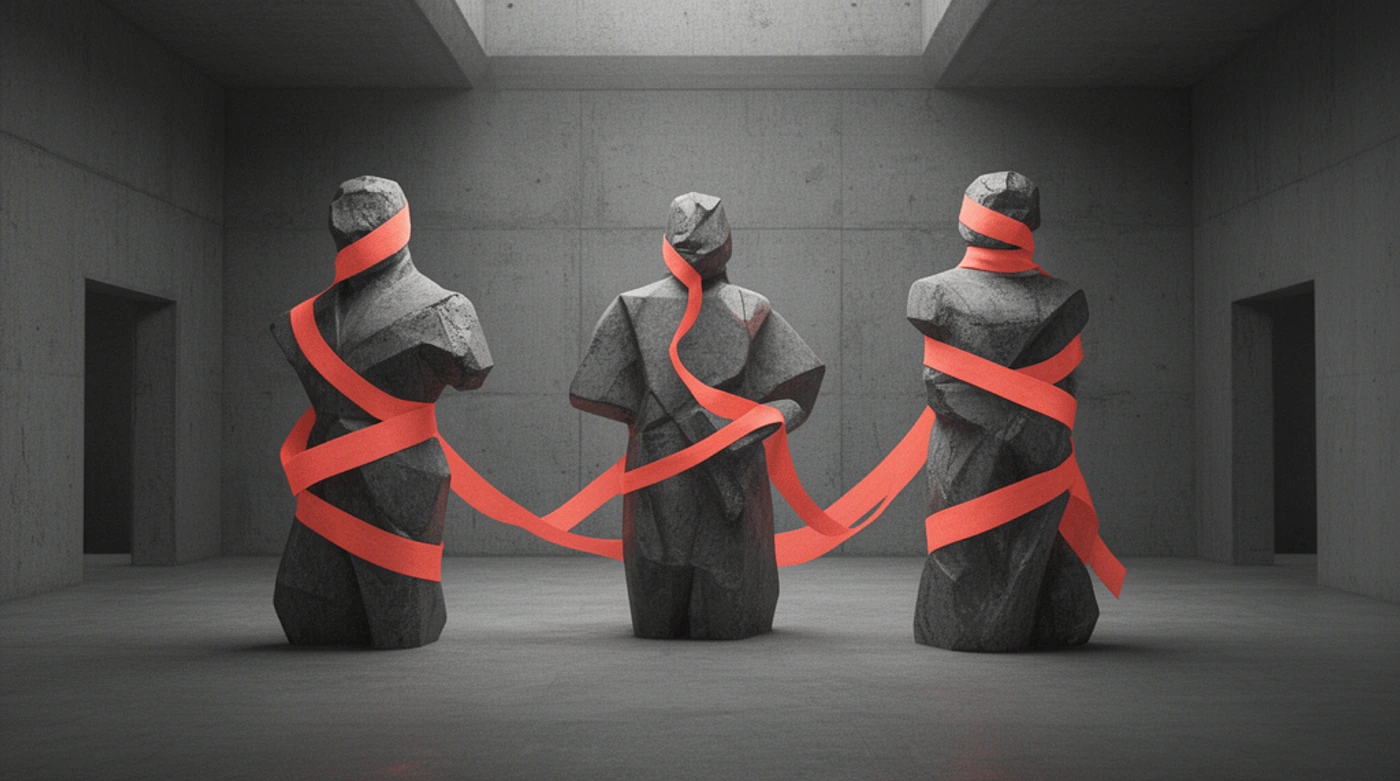
A brand isn't a logo. It's a feeling. And in the visual world, that feeling comes from style consistency.
If you generate a hundred images for your website or Instagram, and every single one looks like it came from a different artist, you don't have a brand. You have a mood board. To build a brand with AI, you need Style Persistence. You need the ability to take any subject-a CEO portrait, a product shot, an office landscape-and render it in the exact same distinct visual language. If you skip this step, your content may still look "good," but it will not look like it came from one coherent brand.
In practice, this means treating style as a system instead of a one-off prompt. You need one canonical style reference you defend aggressively, a clean separation between content control and style control, and deliberate style-strength tuning so outputs do not collapse into mush. Tooling is better in 2026, especially for style references, but consistency still comes from disciplined reference management, not from luck.
What Counts As A Style System
A usable brand style has at least five stable dimensions:
- Palette behavior (not just colors, but contrast relationships)
- Lighting signature (soft editorial, hard flash, cinematic practicals)
- Texture language (grain, halation, brush/noise pattern)
- Shape language (rounded minimalism vs angular density)
- Post-process signature (glow, edge treatment, tonal roll-off)
If you only preserve one of these, you will still drift.
Plain-English Glossary
If you are newer to style workflows, this vocabulary helps:
- Style transfer: keeping the visual look while changing the subject.
- Content: what is in the image (person, object, location).
- Style: how the image feels (palette, texture, contrast, mood).
- Style weight: how strongly style reference should override default rendering.
- Drift: gradual loss of consistency across a batch or campaign.
Think of content as the script, and style as the cinematography.
The Tool: IP-Adapter (Style)
The breakthrough tool for this is IP-Adapter (Image Prompt Adapter), specifically the "Style Transfer" settings. Unlike a standard image-to-image loop which tries to keep the composition, IP-Adapter Style only cares about the texture, lighting, and color palette. Project links: - IP-Adapter project - IP-Adapter paper - Diffusers IP-Adapter docs
The Workflow
The workflow is easiest to run in the following sequence:
- Define Your Master Style: Create one perfect image that encapsulates your brand's look. Let's say it's a "Technicolor Risograph" style - grainy, misaligned CMYK layers, neon pinks and teals.
- Input as Style Reference: Feed this image into the IP-Adapter Style slot.
- Prompt Your Subject: "A professional headshot of a woman," "A vintage camera," "A city skyline."
- Result: The AI takes the content of your prompt and wraps it in the skin of your reference.
Where Midjourney Fits In 2026
Midjourney's modern workflow now includes explicit style-reference controls and style-randomization tools:
--sreffor style reference images--swfor style weight tuning- Style personalization and style-creation workflows for repeatable looks
Reference links: - Midjourney docs - Style Reference docs - Parameter List That means your cross-tool strategy can be: - Midjourney for fast style exploration and direction setting - diffusion + IP-Adapter/LoRA for tighter production control
Gallery: One Style, Many Subjects
Here is a demonstration of a unified "Brand System." Three completely different subjects, but they undeniably belong to the same visual universe. This is the power of high-level style transfer.
[Image gallery: 3 related images are displayed with captions.]
Why LoRAs Are Not Overkill (But Not Always Step One)
People often jump directly into LoRA training. That is sometimes correct, but often premature. Use this escalation path:
- IP-Adapter style references for fast iteration and low commitment.
- Prompt templates + style locks for team consistency.
- LoRA training when you need high repeatability at production scale.
LoRAs are powerful because they encode style priors compactly. But they are less flexible than reference-based style transfer and can overfit if your training set is narrow. Style transfer via IP-Adapter remains the quickest way to explore identity without freezing it too early. If you do need LoRA training, start with: - LoRA paper - Hugging Face PEFT LoRA docs
A Practical Brand Pipeline
Phase 1: Style Discovery
In this phase, focus on the following priorities:
- Generate 30-50 explorations.
- Select 3 finalists with clearly distinct visual signatures.
- Pressure test each style on portrait, object, and environment prompts.
Phase 2: Style Canonization
In this phase, focus on the following priorities:
- Pick one master style image.
- Define no-go rules (forbidden tones, banned effects, unacceptable contrast behavior).
- Write a style prompt skeleton your team reuses.
Phase 3: Production QA
In this phase, focus on the following priorities:
- Use a side-by-side drift check every 20-30 generated assets.
- Reject outputs that match content but violate style DNA.
- Update the style pack only through deliberate versioning, not ad-hoc edits.
From Brand Brief To Prompt Skeleton
Use this "brief to prompt" method to make style decisions concrete:
- Write your brand mood in one line: "calm technical confidence with warm human tone."
- Map it to visual traits:
- color behavior: low saturation neutrals + one accent - light behavior: soft directional key, gentle roll-off - texture behavior: subtle grain, no glossy plastic skin
- Convert those into reusable prompt clauses.
- Keep subject clauses separate from style clauses.
Example style clause:
editorial natural-light look, muted neutral palette with amber accent, subtle film grain, restrained contrast, realistic skin texture, minimal retouching Now your team can change the subject without breaking brand language.
Common Failure Modes
The most common failure patterns in this section are:
- Reference contamination: accidentally mixing style references from different campaigns.
- Overweighting style: subject legibility collapses under heavy aesthetic effects.
- Prompt inconsistency: each creator invents their own style wording.
- No version control: style "evolves" into incoherence over time.
Consistency is not rigidity. You can adapt composition and subject matter while preserving a stable visual identity.
A Simple Style Drift Metric
If you run a team workflow, use a lightweight weekly review:
- pick 12 recent outputs
- score each from 1-5 on palette match, lighting signature, and texture consistency
- flag any asset scoring below 3 in two categories
This prevents gradual style decay. Brand consistency usually fails quietly, not all at once.
Beginner Checklist Before Publishing A Batch
Before shipping 20+ images, check:
- Do all images share the same contrast and tonal behavior?
- Are skin/material textures consistent with your brand look?
- Can someone identify your style without seeing your logo?
- Are style tokens in your prompt template still identical across creators?
If the answer to any item is "no," pause and fix the style source before generating more assets.
Decision Tree: Do You Need LoRA Yet?
Use this rule of thumb:
- If you are still exploring brand direction: stay with style references.
- If 3-5 creators can already produce consistent outputs: keep using templates.
- If consistency collapses at scale or across many subjects: then train a LoRA.
This avoids premature training and keeps your system flexible while strategy is still moving.
When To Rebuild Your Style Pack
Rebuild the master style pack when: - business positioning changed materially - your target audience shifted platforms or demographics - your current style no longer supports readability of key subjects Do not rebuild because one trendy look performed well for a week. Brand systems win through repeatability, not novelty spikes. Key Takeaway: Treat your Style Reference image like your brand guidelines. Protect it, refine it, and use it as the DNA for every pixel you generate. If you need a platform-neutral starting point, combine OpenAI image workflows for iterative edits with Midjourney or diffusion style references for broad exploration.